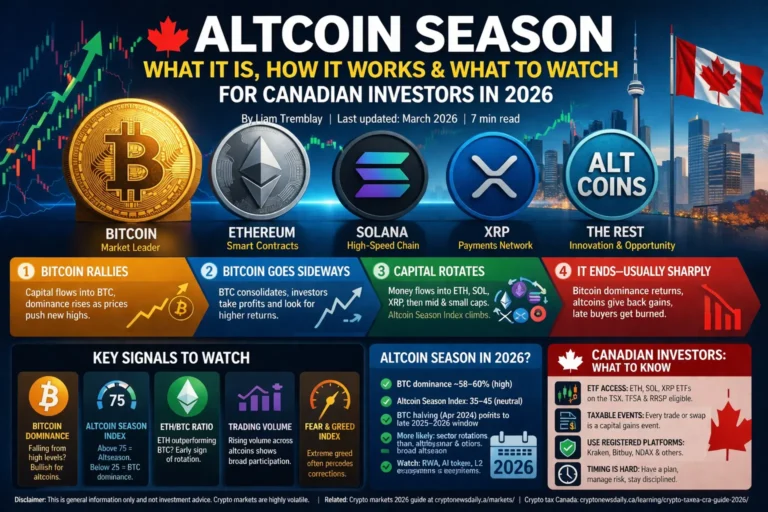

The cryptocurrency markets are continuously evolving, and 2026 is proving to be another pivotal year. From Bitcoin’s price fluctuations to Ethereum’s growing influence in decentralized finance, the dynamics in the crypto world are constantly shifting. Understanding the trends and key factors affecting the crypto markets can help both new and experienced investors make informed decisions.
Current Market Trends
As of early 2026, the cryptocurrency market has been experiencing a mixture of bullish optimism and market correction. Bitcoin (BTC), the largest and most widely recognized cryptocurrency, has faced significant volatility, with its price swinging between highs and lows. However, despite these fluctuations, Bitcoin remains a key player in the market, often setting the tone for other digital assets.
Meanwhile, Ethereum (ETH) has strengthened its position as the leader in the smart contract space, with its recent upgrades and increased institutional adoption making it a highly watched asset. Ethereum’s network continues to play a crucial role in decentralized finance (DeFi) and non-fungible tokens (NFTs), both of which are growing sectors in the cryptocurrency ecosystem.
Key Drivers Affecting Crypto Markets in 2026
Several factors are contributing to the current trends in the crypto markets:
Institutional Adoption
More institutional players, including banks, hedge funds, and financial giants, are increasing their involvement in cryptocurrencies. This shift is being driven by both regulatory clarity and a growing recognition of digital assets as a legitimate part of the financial landscape. Many institutions are now offering cryptocurrency investment products to their clients, such as Bitcoin ETFs and Ethereum-based funds.Regulation and Government Policy
Regulation remains one of the most critical issues facing the crypto markets. In many regions, governments are introducing clearer regulations around cryptocurrency trading, taxation, and blockchain technology. The United States and European Union are among the leaders in pushing for regulatory clarity, which is seen as a positive step for long-term market stability. However, regulatory uncertainty in countries like China has led to periods of market turmoil.Technological Innovations
Blockchain technology is constantly evolving, and Layer 2 solutions (such as Ethereum 2.0) are aimed at making networks faster, cheaper, and more scalable. These technological improvements are critical for cryptocurrencies to handle increased transaction volumes and maintain their status as viable financial systems.Market Sentiment and Media Influence
The crypto market is highly sensitive to public sentiment, often driven by media reports, high-profile endorsements, or public figures like Elon Musk. In particular, announcements related to institutional investments or the integration of blockchain technology into mainstream industries can influence market sentiment and lead to significant price movements.
Cryptocurrency Market Analysis: Bitcoin, Ethereum, and Altcoins
Bitcoin (BTC)
Bitcoin’s dominance in the crypto markets remains strong, but its price action has been volatile. Recently, Bitcoin saw a temporary drop below $90,000, driven by profit-taking and broader market corrections. However, analysts believe that Bitcoin’s long-term trend remains upward, especially with growing institutional involvement and the potential for further integration into global financial systems.Ethereum (ETH)
Ethereum continues to be the leading platform for decentralized applications and smart contracts. The shift to Ethereum 2.0, which promises better scalability and energy efficiency, has attracted a lot of attention. Ethereum’s role in DeFi and NFTs continues to fuel growth, and its price has shown resilience despite overall market volatility. With Ethereum’s move to Proof of Stake (PoS), many analysts expect further growth in both its price and network activity in the coming years.Altcoins
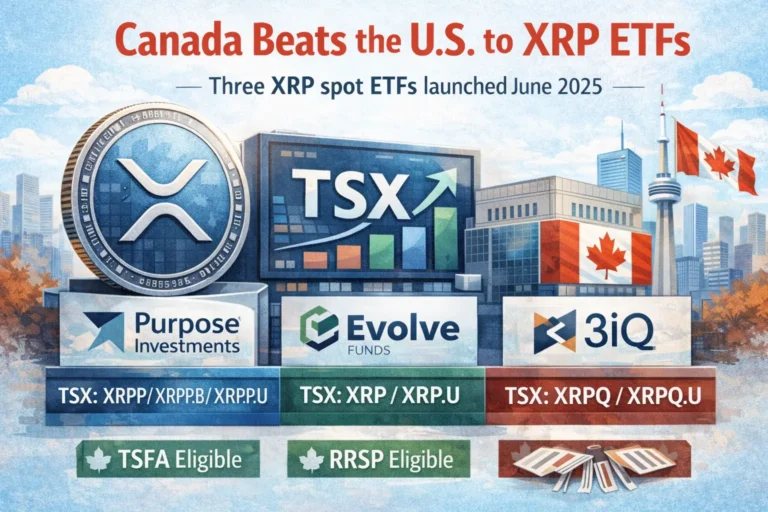
The altcoin market remains diverse, with coins like Cardano (ADA), Solana (SOL), and Polkadot (DOT) making their mark in various niches, including smart contracts, DeFi, and interoperability. However, the altcoin market is also highly speculative, and many altcoins are experiencing volatility as they battle for market share. Ripple (XRP), despite its legal battles, continues to be a popular altcoin, with some bullish momentum due to ongoing partnerships in the financial sector.
What’s Next for Crypto Markets?
The road ahead for cryptocurrency markets in 2026 is filled with both opportunities and risks. The most likely scenario is that cryptocurrencies will continue to evolve as a mainstream asset class, with increasing institutional support and wider use cases across DeFi, NFTs, and central bank digital currencies (CBDCs).
However, the volatility that characterizes the crypto markets is unlikely to disappear. As new technologies emerge, regulations tighten, and market sentiment fluctuates, investors will need to stay informed and agile. For now, Bitcoin and Ethereum remain the dominant forces, but altcoins and emerging blockchain projects are also contributing to a more diverse and vibrant market.
Conclusion
As we move further into 2026, the cryptocurrency market continues to be both exciting and unpredictable. With institutional interest growing, technological advancements on the horizon, and regulation becoming more structured, the landscape is rapidly changing. Understanding the factors that drive price movements and staying updated on market trends will be key for anyone looking to navigate this evolving space.