

Crypto for Beginners in Canada: Where to Start
Roughly one in four Canadians owns crypto, according to the Ontario Securities Commission’s 2026 investor survey. Buying it is the easy part. The costly mistakes come later: a platform that freezes withdrawals, a tax return that leaves out a coin-to-coin swap, a recovery phrase typed into a fake support chat.
This page is the starting point for the guides on Crypto News Daily Canada. It sets out which ones to read first, the Canadian rules that apply from day one, and the steps of a first purchase. Everything is written for people investing from Canada, so the prices are in Canadian dollars and the regulators are FINTRAC, the provincial securities commissions and the CRA.
Latest guides
Learning
View all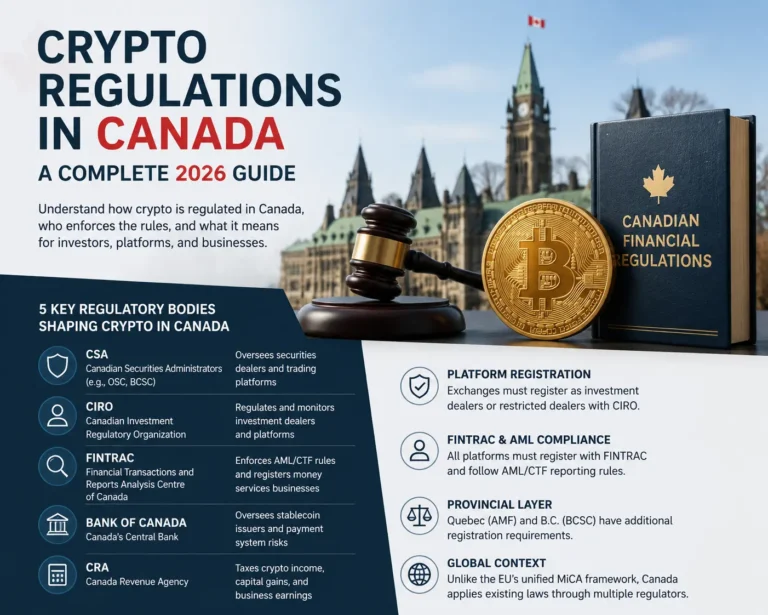
Crypto Regulations in Canada: A Complete 2026 Guide
Making a purchase with bitcoin in Canada is just five minutes. Understanding the rules can take a long time as most buyers do…
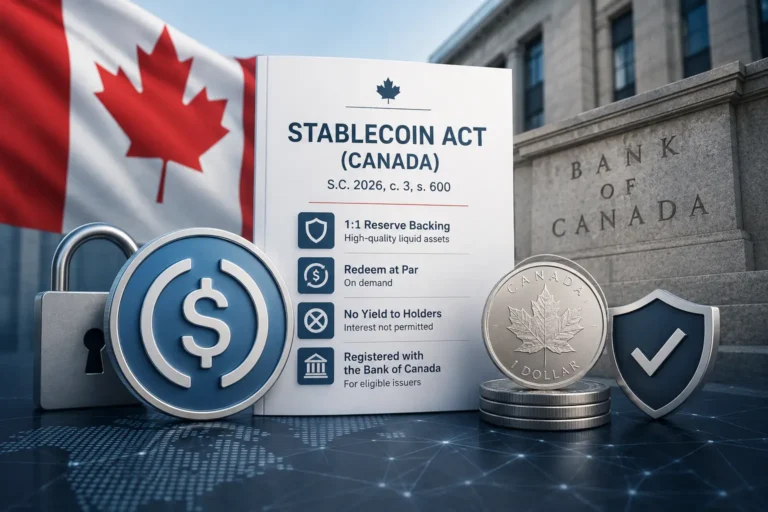
Canada’s Stablecoin Act Is Now Law. Here’s What Actually Changed.
On March 26, 2026, Bill C-15, the Budget 2025 Implementation Act, received Royal Assent. Buried inside that omnibus legislation, alongside a renewed…
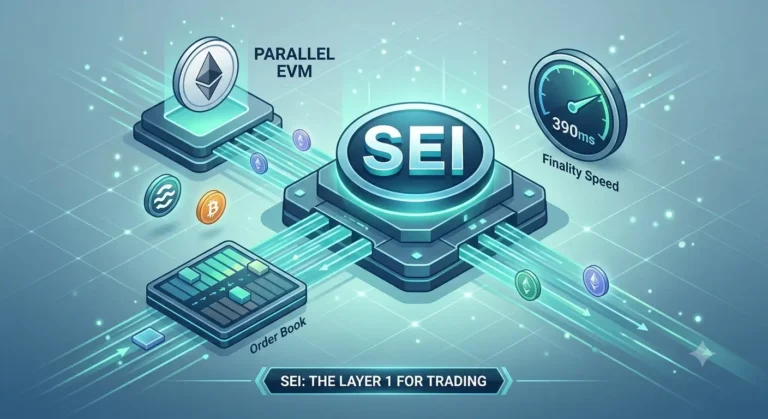
What is Sei, and why is it built differently than most blockchains?
Most people who’ve spent time around crypto already know the tradeoff: chains that feel fast usually cut corners somewhere else, and chains…
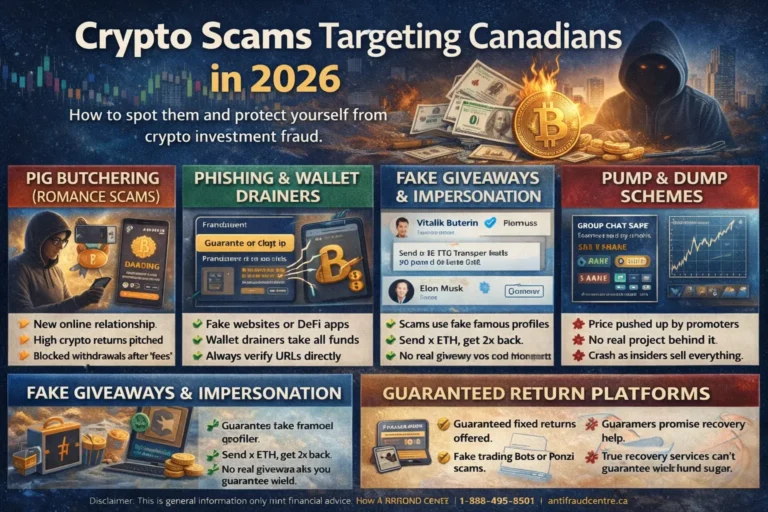
How to Avoid Crypto Scams in Canada: A Beginner’s Safety Guide (2026)
Canada consistently ranks among the countries hardest hit by crypto-related investment fraud. The Canadian Anti-Fraud Centre reported over $309 million in crypto…
What Is Bitcoin? A Plain-Language Guide for Canadians (2026)
Bitcoin gets talked about constantly, on the news, at the dinner table, in your inbox from that one friend who won’t stop…
Hot Wallet vs Cold Wallet: Which One Do You Actually Need?
,Most people who buy crypto for the first time don’t think much about where it goes. It sits on the exchange they…
Five guides to read first
- What Is Bitcoin? How the network runs without a central operator, and why supply stops at 21 million coins.
- FINTRAC-registered exchanges. How to check a platform’s registration before sending it money, with fees and custody compared.
- Hot wallet vs cold wallet. When coins can sit on a platform and when they belong on a hardware device.
- Crypto taxes in Canada. Adjusted cost base, Schedule 3 and the records the CRA expects.
- Avoiding crypto scams. Phishing, fake giveaways, romance scams and the recovery scams that follow them.
Two more are worth the time once those are done. The guide to crypto regulations in Canada maps out which regulator does what, and the Stablecoin Act explainer covers the newest law on the books. Anyone who would sooner own crypto through a brokerage account should read the Bitcoin ETF guide for TFSAs and RRSPs instead of opening an exchange account at all.
The Canadian rules in brief
| Question | Short answer | Full guide |
|---|---|---|
| Is crypto legal? | Yes. Buying, holding and selling are all legal. | Regulation guide |
| Who oversees platforms? | FINTRAC registers them as money services businesses. Provincial securities regulators, working through the CSA, set the investor-protection rules. | Exchange guide |
| How is it taxed? | The CRA treats crypto as a commodity. Selling, swapping or spending it is a disposition, and 50% of a capital gain is taxable. | Tax guide |
| Can it go in a TFSA or RRSP? | The coins can’t. TSX-listed spot ETFs can. | Bitcoin ETF guide |
| Are stablecoins regulated? | The Stablecoin Act became law on March 26, 2026 and puts issuers under Bank of Canada supervision. | Stablecoin Act explainer |
| What changes in 2027? | Platforms start reporting customer transactions to the CRA under the Crypto-Asset Reporting Framework. | Tax guide |
A first purchase in five steps
- Check the platform. Search for it in FINTRAC’s public registry of money services businesses, then confirm through the Canadian Securities Administrators that it is registered with a Canadian securities regulator.
- Verify identity. Registered platforms have to collect government photo ID before an account can be funded.
- Fund the account in CAD. Interac e-Transfer is the cheapest route on most platforms. Card purchases normally cost more.
- Buy small. Platforms sell fractions of a coin, so a first order can be $50. A limit order sets the price, while a market order takes whatever spread is on offer.
- Write it down. Date, amount in CAD, fee and quantity. Adjusted cost base can’t be rebuilt at tax time without those four numbers.
Where beginners lose money
Price is the obvious risk. Bitcoin fell about 77% between its November 2021 peak and its November 2022 low, and smaller coins dropped further. The less obvious losses have nothing to do with the chart.
Platforms fail. Clients of QuadrigaCX, the Vancouver exchange that collapsed in 2019, lost at least $169 million, according to the Ontario Securities Commission. Registration lowers that risk without removing it, which is why coins held for years belong in a hardware wallet.
Recovery phrases get stolen. No platform, wallet maker or regulator ever asks for one. Anyone who does is a thief, whether the request arrives by email, in a chat window or from a caller offering to recover funds lost to an earlier scam. Fraud can be reported to the Canadian Anti-Fraud Centre.
Swaps go unreported. Trading one coin for another is a taxable disposition even though no dollars reach a bank account. Losses count too. They offset capital gains in the same year and can be carried back three years or forward indefinitely, so a bad year is still worth filing.
Terms worth knowing
| Term | Meaning |
|---|---|
| Adjusted cost base (ACB) | The average cost in CAD of all units of a coin held, used to work out each gain or loss. |
| Recovery phrase | The 12 or 24 words that restore a wallet. Whoever holds them controls the coins. |
| Cold wallet | A device that keeps private keys offline. |
| Stablecoin | A token pegged to a currency, usually the U.S. dollar. |
| Staking | Locking coins to help validate a network in return for rewards, which the CRA treats as income. |
| Gas fee | The charge for processing a transaction on Ethereum and similar networks. |
| Dollar-cost averaging | Buying a fixed dollar amount on a schedule instead of trying to pick a low. |
Crypto for beginners in Canada: FAQ
Can crypto be held in a TFSA or RRSP?
Not the coins themselves. TSX-listed spot ETFs such as the Purpose Bitcoin ETF (BTCC) qualify, and gains inside a TFSA are tax-free.
Is tax owed on crypto that hasn’t been sold?
No. Holding isn’t taxable. Selling, swapping or spending is.
How much money is needed to start?
Very little. Each platform sets its own minimum order, and coins are sold in fractions. A $50 purchase rises and falls by the same percentage as a whole coin.
Do crypto losses have to be reported?
Yes, on Schedule 3 of the T1 return. Reported losses reduce tax on capital gains in the same year, in the three years before it or in any later year.
Where is crypto fraud reported in Canada?
To the Canadian Anti-Fraud Centre and to the securities regulator in the victim’s province. Local police take reports as well.
General information only, not investment or tax advice.