

Cryptocurrency in Canada: Coins, ETFs, Tax and Risks
About one in four Canadians now owns some crypto, according to the Ontario Securities Commission’s 2026 investor survey. Most of them hold Bitcoin or Ethereum, many hold it through a TSX-listed ETF, and a fair number couldn’t say exactly how the CRA taxes it. This hub covers the coins that matter, the ways Canadians actually buy them, and the rules and risks that come with each.
Starting from zero? The beginner’s learning centre explains wallets, blockchains and a first purchase step by step.
Latest cryptocurrency news
Cryptocurrency
View all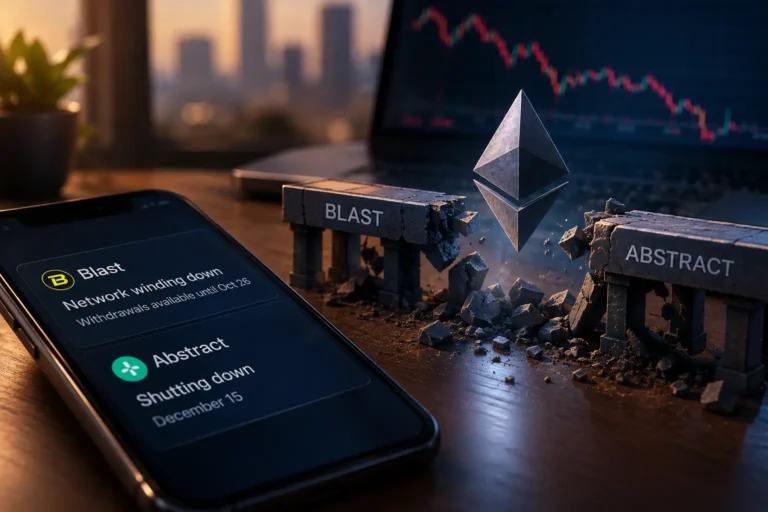
Ethereum Layer 2 Economics Are Cracking as Blast and Abstract Shut Down
Ethereum layer 2 economics just got a brutal reality check. Within a week, Blast said it would wind down its network, and…

Ethereum Glamsterdam Sepolia Upgrade Puts ePBS to Its First Real Test
The Ethereum Glamsterdam Sepolia upgrade goes live on Tuesday, Oct. 6, and plenty of headlines are calling it a critical date. That’s…

Dogecoin Price Breakout Level Hinges on One Stubborn $0.095 Line
The Dogecoin price breakout level everyone is watching sits at $0.095. That’s just a hair above where DOGE trades today. Analyst Ali…
The coins Canadians hold most
| Asset | What it is for | TSX spot ETF? | Our coverage |
|---|---|---|---|
| Bitcoin (BTC) | Fixed-supply store of value; 21 million cap | Yes, since Feb. 2021 | Bitcoin hub |
| Ethereum (ETH) | Smart-contract platform behind most DeFi and stablecoins | Yes, since April 2021 | Ethereum hub |
| XRP | Cross-border payment settlement | Yes, since June 2025 | XRP ETF comparison |
| Solana (SOL) | Fast, low-fee smart-contract chain | Yes, since April 2025 | Solana coverage |
| Dogecoin (DOGE) | Meme coin with a large retail following | No | Dogecoin outlook |
| Stablecoins (USDC, USDT) | Tokens pegged to a fiat currency, mostly the U.S. dollar | No | Stablecoin Act explained |
Everything else is a long tail of thousands of smaller tokens. A few have working products and real users. Most don’t, and many end up near zero. Our guide to altcoin season explains why smaller coins rise faster in a rally and fall harder after one.
Stablecoins now have their own law
Canada’s Stablecoin Act, part of Bill C-15, received Royal Assent on March 26, 2026. It puts fiat-backed stablecoins under Bank of Canada supervision and requires issuers to hold full reserves and redeem at par. Most of the detailed rules still depend on regulations from the Department of Finance, which law firm DLA Piper expects in 2027. Two of the big banks are already exploring a Canadian-dollar token, as we reported in the TD and Scotiabank stablecoin venture. Our explainer on the Stablecoin Act covers what changed for holders.
Buying crypto in Canada: platform or ETF
There are two practical routes. The first is a crypto trading platform registered with FINTRAC and the provincial securities regulators, where the actual coins can be bought in CAD and moved to a personal wallet. Our comparison of FINTRAC-registered exchanges covers fees and custody. The second is a spot crypto ETF on the TSX, bought through an ordinary brokerage. ETFs can sit in a TFSA or RRSP, the coins cannot. The Bitcoin ETF guide and XRP ETF comparison show how the funds differ on fees and currency hedging.
Offshore platforms that haven’t registered are a different story. If one freezes withdrawals, Canadian customers have little recourse, and QuadrigaCX already showed how that ends.
Tax: the short version
- The CRA treats crypto as a commodity. Selling, swapping or spending it triggers a gain or loss.
- For investors, 50% of a capital gain is taxable. The planned increase to two-thirds above $250,000 was cancelled in March 2025.
- Staking and mining rewards are income when received.
- Gains inside a TFSA, through an ETF, are tax-free.
- From Jan. 1, 2027, platforms will report customer transactions to the CRA under the Crypto-Asset Reporting Framework.
The full rules, with worked examples, are in our Canadian crypto tax guide.
The risks worth taking seriously
Price swings come first. Bitcoin, the least volatile of the major coins, lost about 77% between its 2021 peak and its 2022 low, and smaller coins routinely fall further. Then come the people risks: phishing sites, fake support accounts, “pig butchering” romance scams and recovery scams that target people who’ve already lost money. The crypto scams guide covers how each one works. Regulation adds a third layer. Rules here and in the U.S. are still changing, and our guide to crypto regulation in Canada tracks who oversees what.
Most financial planners who allow crypto at all keep it to a small slice of a portfolio, sized so that losing most of it wouldn’t change anyone’s retirement plans.
Cryptocurrency in Canada: FAQ
Is cryptocurrency legal in Canada?
Yes. It’s legal to buy, hold and sell. Platforms serving Canadians must register with FINTRAC and provincial securities regulators.
What is the safest way for a Canadian to own crypto?
For most people, a TSX-listed spot ETF held in a TFSA or RRSP. It removes self-custody risk and the paperwork of tracking an adjusted cost base. Owning the coin on a registered platform, or in a hardware wallet, suits people who want 24/7 access or to use crypto directly.
Which cryptocurrencies have ETFs in Canada?
Bitcoin, Ethereum, Solana and XRP all have spot ETFs on the TSX.
Do I pay tax on crypto I haven’t sold?
No. Holding isn’t taxable. Selling, swapping or spending is, and staking rewards count as income when received.
General information only, not investment or tax advice.