Table of Contents
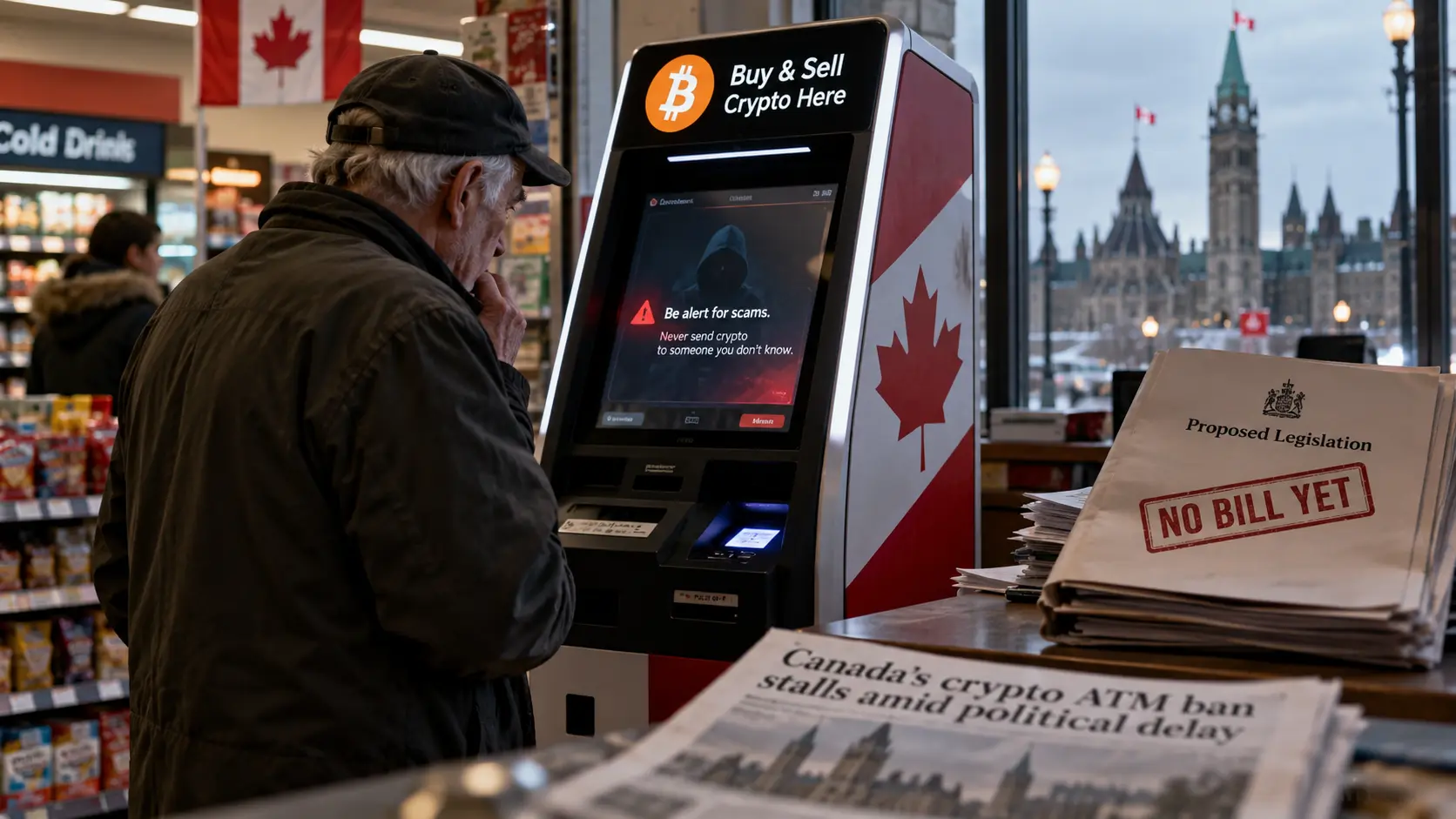
Six months ago, Ottawa said it would shut down every crypto ATM in the country. Today, roughly 4,000 of the machines are still running in corner stores and malls, and no bill has reached the House of Commons. The Canada crypto ATM ban remains a promise on paper. Honestly, that gap is starting to look like a policy problem of its own.
What the Canada Crypto ATM Ban Actually Proposed
The idea surfaced in Finance Minister François-Philippe Champagne’s Spring Economic Update on April 28. It got only a few sentences, calling the machines a main tool for scammers and for criminals placing cash proceeds of crime. A week later, the department said details would follow in legislation expected to be tabled shortly.
That word, shortly, hasn’t aged well. I couldn’t find any crypto ATM bill introduced since, and Ottawa hasn’t shared a timeline or a transition plan. By contrast, the bill creating a new Financial Crimes Agency went in on April 27, a day before the update even landed.
Industry didn’t get a consultation on the Canada crypto ATM ban, either. Finance told BetaKit it doesn’t consult on new criminal offences, since bad actors could use the head start to find loopholes. It also said it picked a ban over softer options because of an “urgent need for action.” Six months of quiet makes that urgency hard to square.
The Fraud Numbers Behind the Canada Crypto ATM Ban
Ottawa’s math starts with underreporting. Only about $14.2 million in crypto ATM scam losses reached the Canadian Anti-Fraud Centre for 2024. However, the centre believes just 5% to 10% of fraud ever gets reported. So the government estimates real losses at $142 million to $284 million that year.
Finance also cites studies linking 85% to 98% of crypto ATM transactions to illicit activity. Those figures come from Australia’s financial intelligence agency and Iowa’s attorney general, though, not from Canadian data. Even so, Canada’s density makes the risk easy to see. With nearly 4,000 machines, it holds about 10% of the world’s crypto ATMs, second only to the U.S.
Public opinion mostly sides with Ottawa here. A Research Co. poll in June found a majority of Canadians back the Canada crypto ATM ban, including 62% of those aged 55 and over. Older Canadians are exactly who these scams tend to target.
Operators Say a Ban Misses the Real Problem
Bitcoin Well founder Adam O’Brien, whose Edmonton company runs more than 150 machines, calls the plan misguided. He points to unskippable fraud warnings on his kiosks and to blacklisted scam wallets. He also asks why ATMs get singled out when e-transfers and gift cards carry plenty of fraud too. For him, the real fix is education.
Localcoin, the country’s largest operator, made a similar case on April 30. It warned that a blanket ban would hurt legitimate operators, retail partners, and Canadians using its kiosks lawfully. Demand isn’t going away, after all, since Canada’s crypto market grew 2.3% to $247.7 billion in the year to June.
Meanwhile, the Canadian Bitcoin Consortium offered a middle path. Executive director Koleya Karringten suggested dropping the $1,000 threshold for anonymous cash purchases to zero. That would force full ID checks on every ATM sale. Frankly, it’s the idea Ottawa should have tested first.
FINTRAC Isn’t Waiting for Parliament
While the Canada crypto ATM ban stalls, FINTRAC keeps swinging. It revoked 84 money services business registrations in March alone, the government noted in its update. By mid-March, 47 of the 50 businesses struck off in 2026 offered crypto services.
And it hasn’t slowed down. As we reported in our look at the FINTRAC crypto crackdown 2026, one analysis counted 117 crypto-linked revocations by late May. On top of that, penalties up to 40 times higher became law on March 26.
Operators read this as proof that existing tools already work. Critics reply that pulling a registration can’t undo fraud that’s already happened. Both have a point, but neither argument gets tested until a bill exists.
Why the Canada Crypto ATM Ban Stalled While Stablecoins Moved
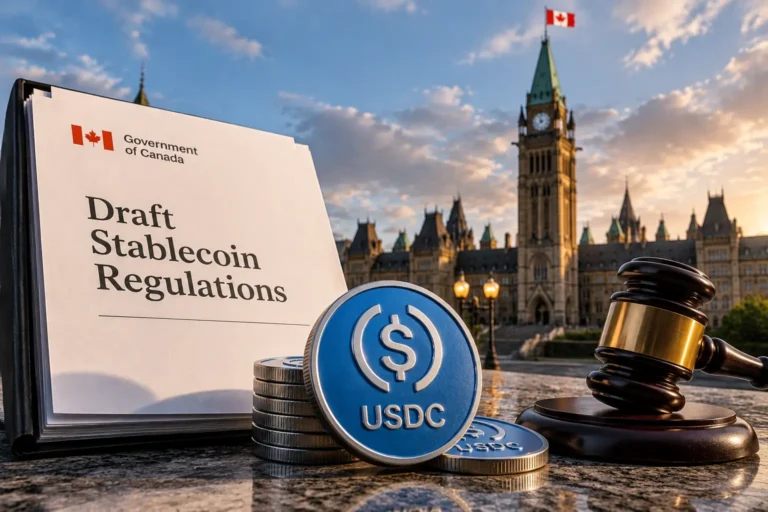
Compare that silence with stablecoins. The Stablecoin Act received Royal Assent on March 26 and put issuers under Bank of Canada supervision. Then this week, Ottawa published proposed stablecoin regulations in the Canada Gazette, opening a 60-day consultation.
Stablecoins rode in on a budget bill with a clear supervisor and an existing payments framework. A Canada crypto ATM ban, by contrast, turns a legal business into a criminal one. That raises hard questions about wind-down periods, compensation, and enforcement. None of them has a public answer yet.
My Take: The Canada Crypto ATM Ban Needs a Bill or a Rethink
Here’s where I land. If Ottawa truly believes most of these transactions are criminal, every month of delay leaves the machines open for scammers. If it doesn’t, it should say so and test tougher ID rules instead. Either way, operators who can’t plan and victims who keep losing money deserve better than limbo.
So, where do you stand? Should Ottawa table the ban now, or give the machines one last chance under stricter rules? Tell us what you think, and if an older relative keeps cash handy for “urgent” payments, maybe give them a call this week.