
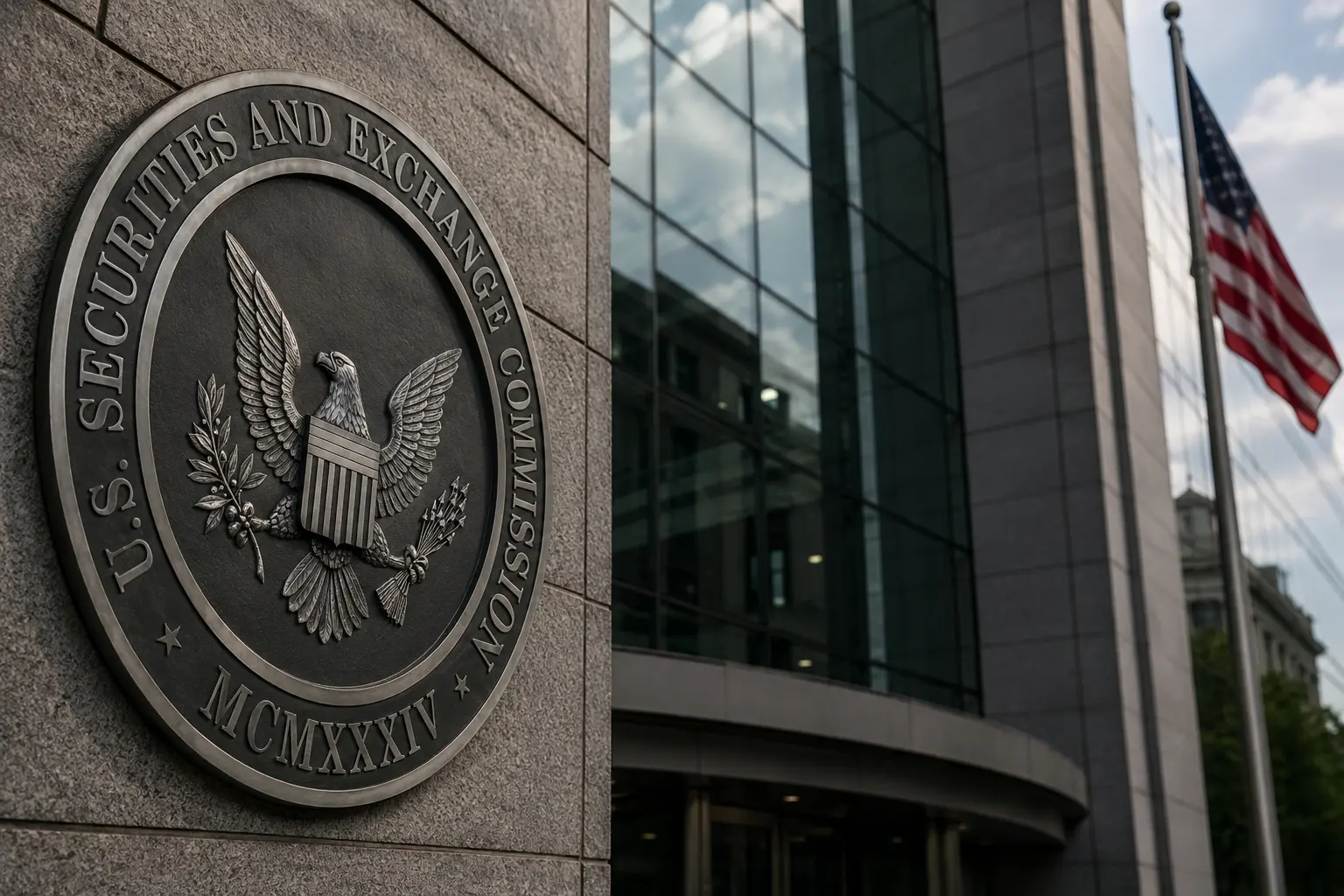
On July 7, 2026, the SEC crypto rule changes laid out in a new regulatory agenda confirmed what the crypto industry has been waiting for: formal rulemaking for exchanges and broker dealers. The U.S. Securities and Exchange Commission is now preparing proposed amendments to capital, custody, and recordkeeping rules, all tailored specifically for digital assets. It’s a significant step away from the enforcement-heavy approach of prior years.
What the SEC Crypto Rule Changes Actually Cover
Three proposed amendments sit at the heart of this agenda. First, the SEC wants to revise the net capital rule requiring brokers to hold a minimum amount of liquid capital. Second, the agency plans to update customer protection rules that shield investor assets if a broker goes insolvent. Third, it’s looking at recordkeeping requirements for broker dealers.
All three target one problem. As the agency stated, these proposals address “the application of these rules to crypto assets.” In practice, that acknowledgment means current broker dealer regulations weren’t built with digital assets in mind, and the SEC recognizes adjustments are overdue.
Beyond broker dealers, the commission is also weighing new changes to its exchange rules. According to the agenda, the goal is to establish standards for the issuance, custody, and trading of crypto assets while still keeping bad actors in check.
How Broker Dealer Rules Will Shift
Broker dealers handling crypto have faced an uncomfortable gap between existing securities regulations and the reality of digital asset markets for quite some time. Rules written decades ago didn’t anticipate assets recorded on distributed ledgers. That ambiguity created both compliance headaches and operational risk.
Under the proposed changes, broker dealers could receive updated guidance on how crypto positions factor into net capital calculations. Earlier this year, the SEC’s Division of Trading and Markets published guidance clarifying that broker dealers can treat proprietary positions in bitcoin and ether as readily marketable commodities. While helpful, that interpretation was staff guidance, not a formal rule.
Why does the distinction matter? A formal rule adopted through notice-and-comment rulemaking carries far more weight. Future SEC leadership can’t easily discard it with a single memo. Firms making long-term infrastructure investments need that kind of durability, and the latest SEC crypto rule changes are designed to provide it.
SEC Crypto Rule Changes Build on Regulatory Momentum
These proposed amendments are part of a broader pattern under Chair Paul Atkins. Since taking office, Atkins has pushed for clearer regulation instead of enforcement actions.
In March 2026, the SEC and CFTC jointly released an interpretive statement that introduced a five-category token taxonomy. It sorted digital assets into digital commodities, digital collectibles, digital tools, stablecoins, and digital securities. That framework was the first time the SEC formally acknowledged in one document that most crypto assets aren’t securities.
Then in April, the agency’s Division of Trading and Markets issued a conditional no-action position for certain user interface providers. Platforms offering front-end interfaces for crypto trading were told they could operate without full broker dealer registration, provided they met specific conditions. According to industry analysis of the SEC’s 2026 priorities, the commission’s near-term goals include building a workable crypto regulatory framework, supporting capital formation, and reducing compliance costs. A 3-0 Republican majority on the commission, with Atkins joined by Commissioners Hester Peirce and Mark Uyeda, has helped accelerate this direction.
Safe Harbors and a New Approach to Crypto Offerings
One of the most anticipated items on the agenda is “Regulation Crypto.” Expected as early as July 2026, it would mark the SEC’s first major crypto-specific rulemaking under Atkins.
Regulation Crypto would create temporary exemptions from registration for developers launching crypto investment contracts. Projects could raise up to a defined amount over a four-year period without completing the full securities registration process. In exchange, they’d need to file specific disclosures with the commission.
Atkins also proposed an “investment contract safe harbor” that would define when a token is no longer considered a security. That determination hinges on whether the issuer has completed or permanently stopped all essential managerial efforts tied to the asset. Currently, the safe harbor proposal is under review at the White House’s Office of Information and Regulatory Affairs, which typically takes 30 to 90 days.
Canadian investors should pay close attention here. American regulatory policy routinely shapes how best crypto exchanges in Canada handle compliance decisions, listing standards, and cross-border operations.
What These SEC Crypto Rule Changes Mean for Investors
Retail and institutional investors alike stand to benefit from the shift away from enforcement-driven regulation toward formal rulemaking. Under former Chair Gary Gensler, the SEC pursued enforcement actions against major crypto firms while declining to create a clear registration framework. Many of those cases have since been dropped.
Formal rules offer something enforcement actions simply can’t: predictability. When exchanges and broker dealers know what’s expected, compliance improves. When compliance improves, investor protection tends to follow.
Still, proposals aren’t final rules. Public comment periods, interagency coordination with the CFTC, and potential congressional action on the CLARITY Act could all shape the final outcome. Right now, though, the direction is unmistakable. The SEC is moving from courtrooms to rulemaking, and the crypto industry is getting the written framework it’s been requesting for years.
If you want to understand how these regulatory shifts affect the Canadian market and your own portfolio, following this story closely over the coming months will be well worth your time.